

Water, Fire and Storm Damage Restoration in Akron Ohio
Proudly Serving Portage & Summit Counties (Akron OH, 44313)
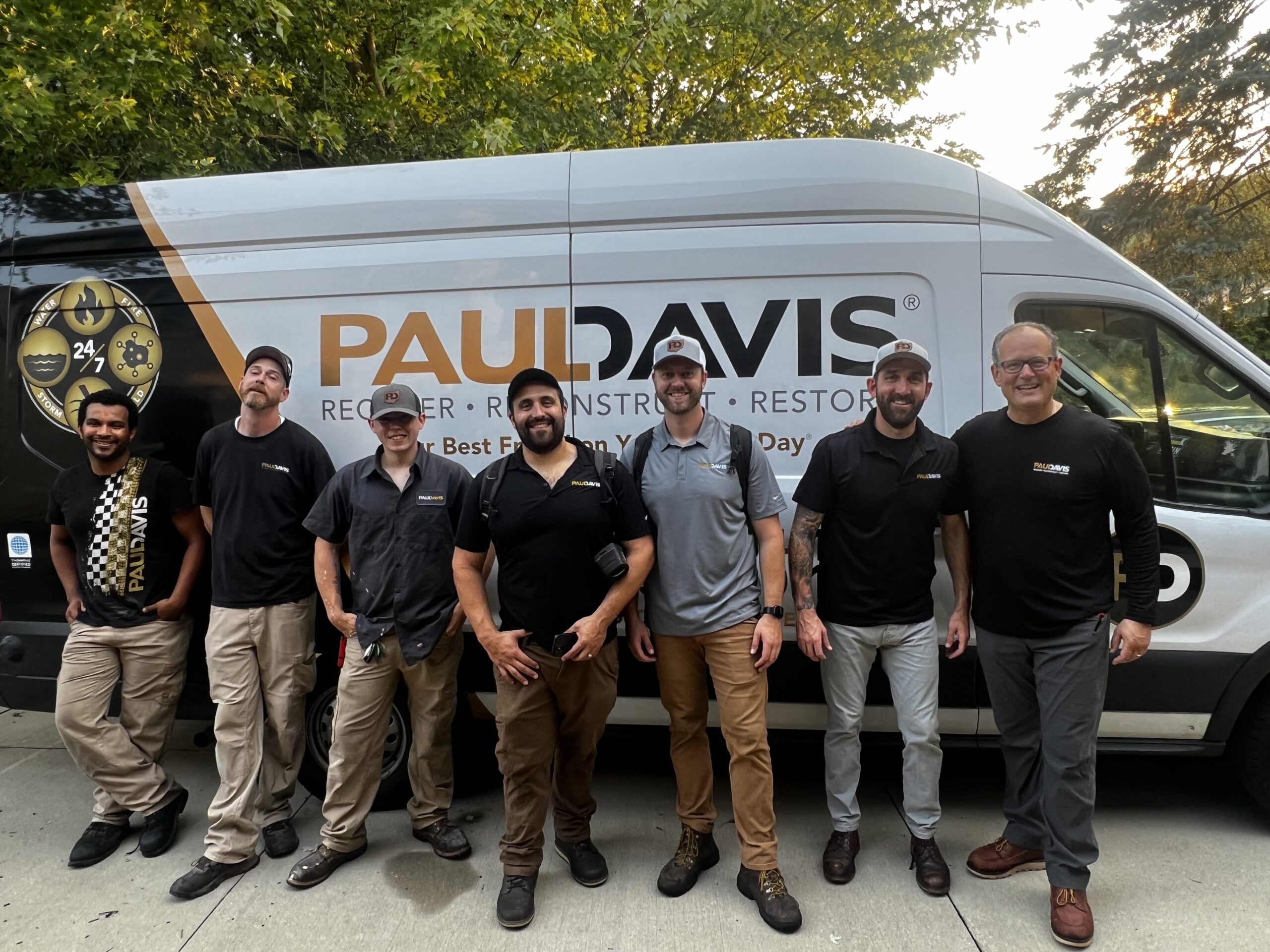
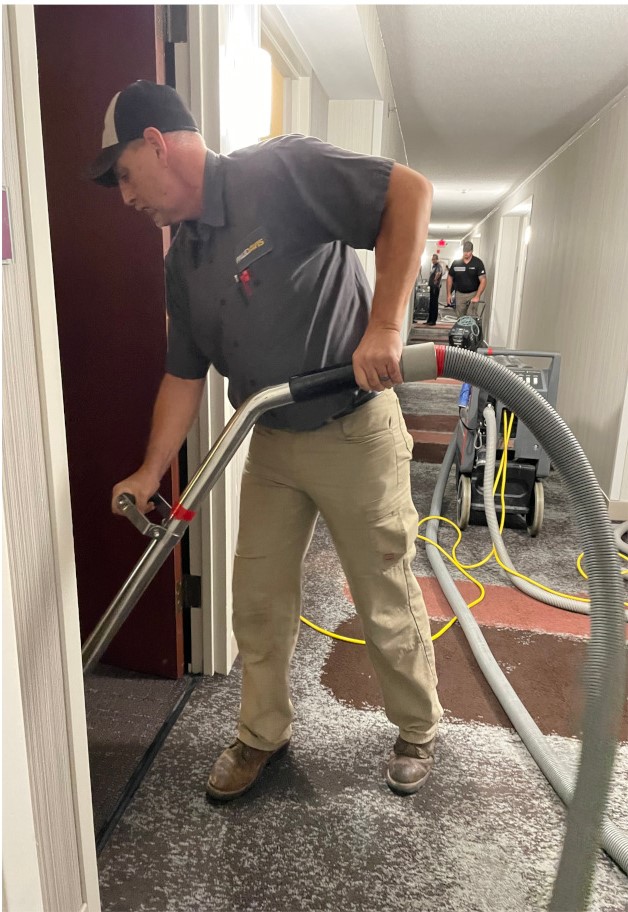
When your property is damaged in Akron Ohio, Paul Davis is prepared to answer the call and assist businesses or families in getting back on their feet. Whether it is fire, flood, mold or storm, you can contact Paul Davis Emergency Services 24/7 for full cleanup and restoration support. When you call us, we make it our business’s goal to respond to your call within 30 minutes and get to the scene prepared to take care of damage in less than four hours. Our business’s technicians know that speed is the key in the event of an emergency and that’s why we are here to relieve you with prompt emergency cleanup and restoration services.
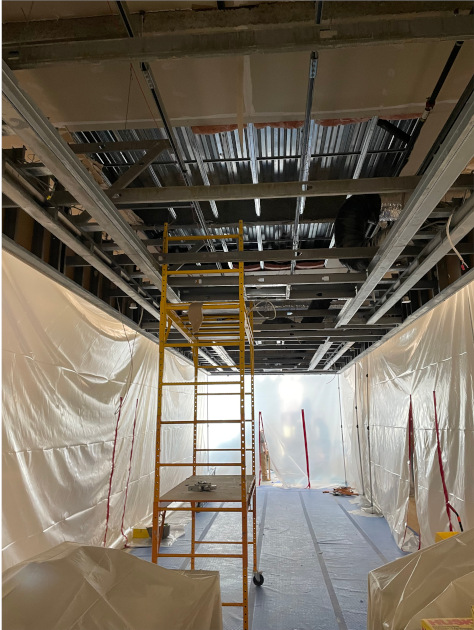
The emergency cleanup and restoration technicians at Paul Davis Emergency Services are aware of precisely what is required to fix and renovate a property in order to return to its pre-loss state. This quality of thorough competence is all possible through hiring the best teams and using effective tools and technology.
Property Damage Cleanup Business
Whatever caused the damage to your property, we can accomplish the job. Our business’s emergency cleanup and restoration services include; storm damage restoration, water damage restoration, mold removal, contents cleaning, fire damage restoration, basement flood cleanup, and sewage cleanup.


 Contact Paul Davis of Akron Ohio
Whichever service you need, you can rely on our business’s team to be dedicated, polite and considerate of your requirements. Our business’s objective is to guarantee that your home or business is useful and secure so you can return to ordinary life in your space. When an emergency leads to damage to your home or business in Akron Ohio, always choose Paul Davis.
Areas of Service in Akron Ohio:
-
- Cuyahoga Falls
- Tallmadge
- Twinsburg
- Hudson
- Stow
- Ravenna
- Aurora
- Richfield
- Kent
- Clinton
And serving all of Summit, Portage, Stark and Geauga counties.